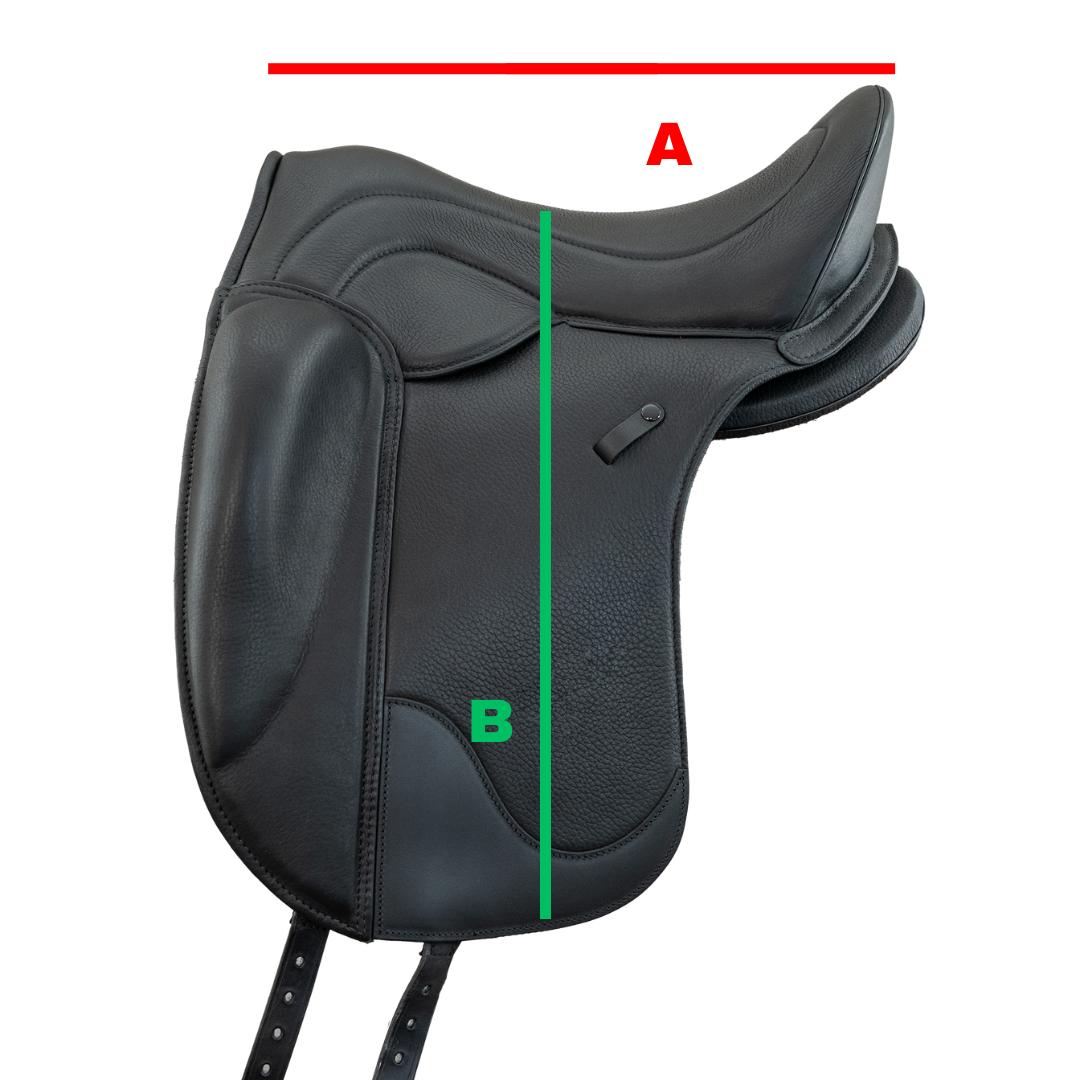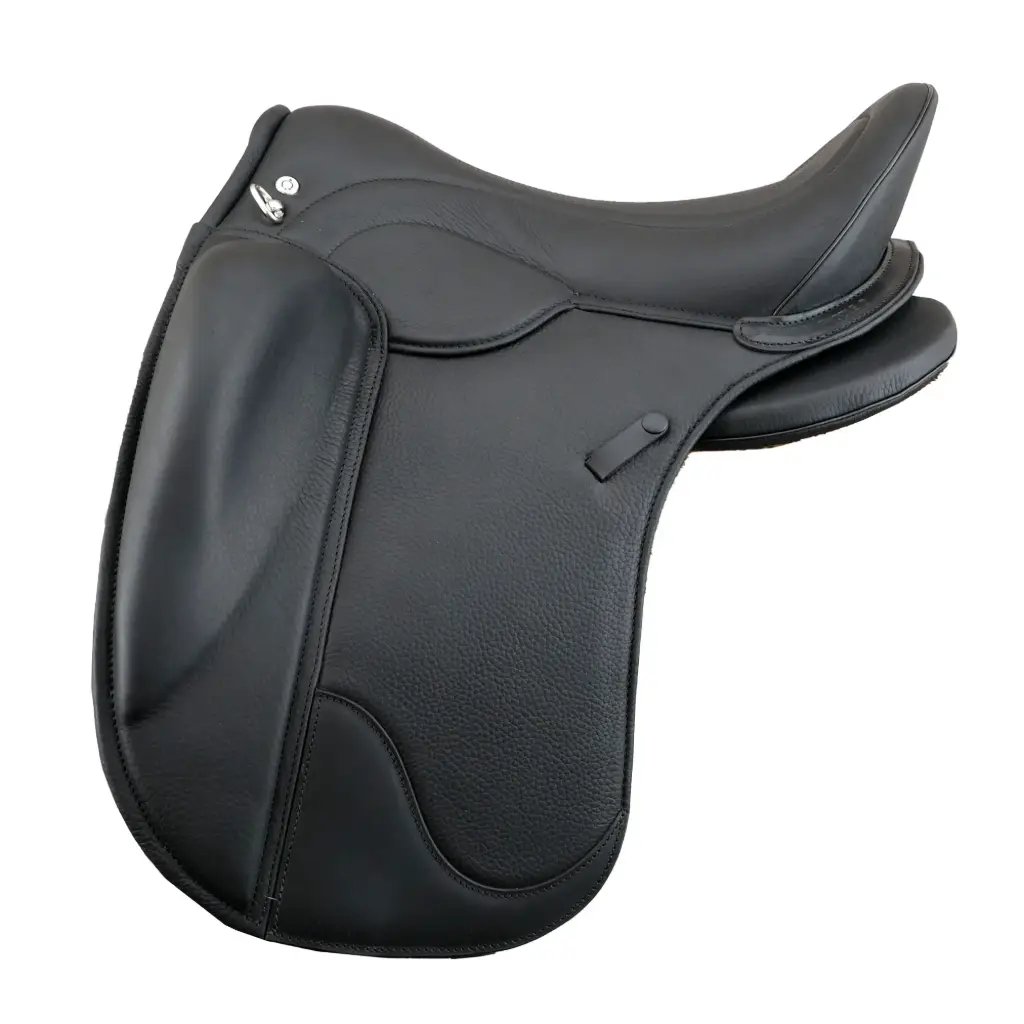
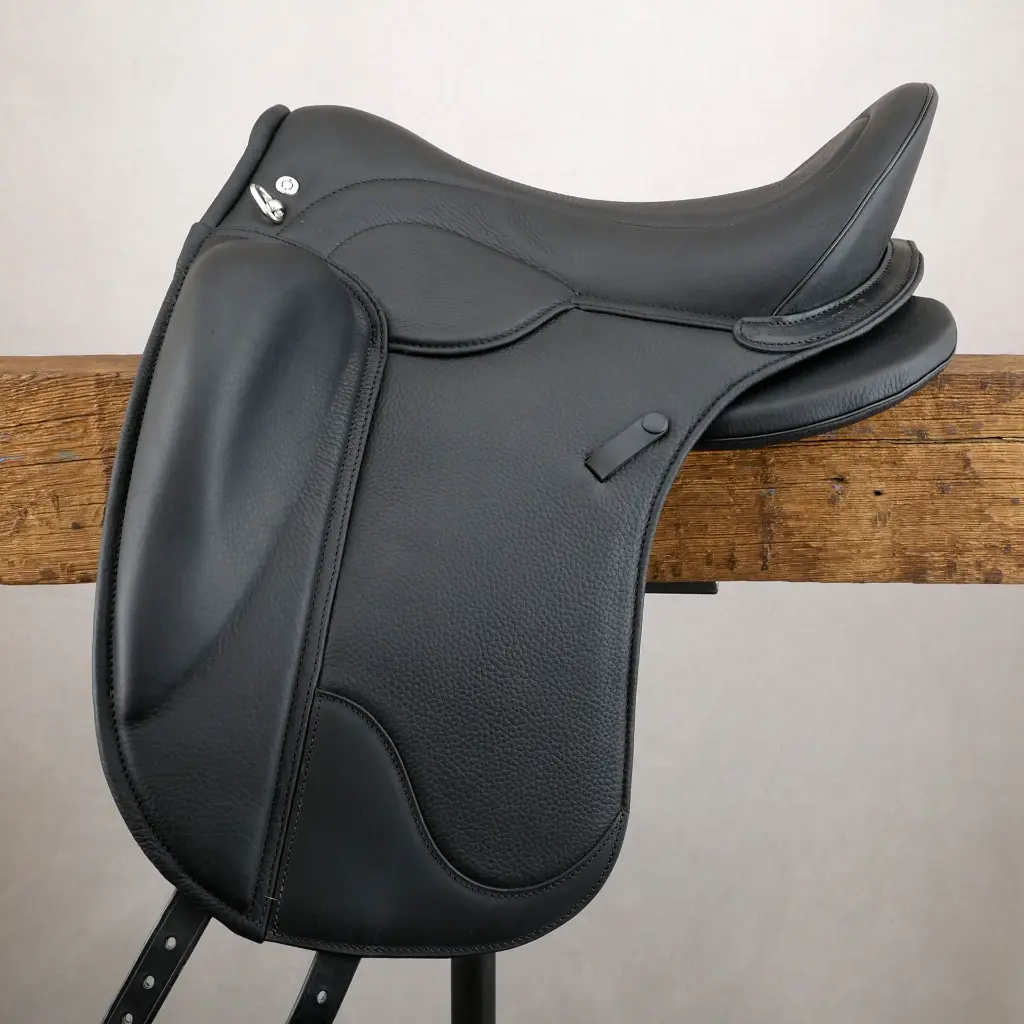
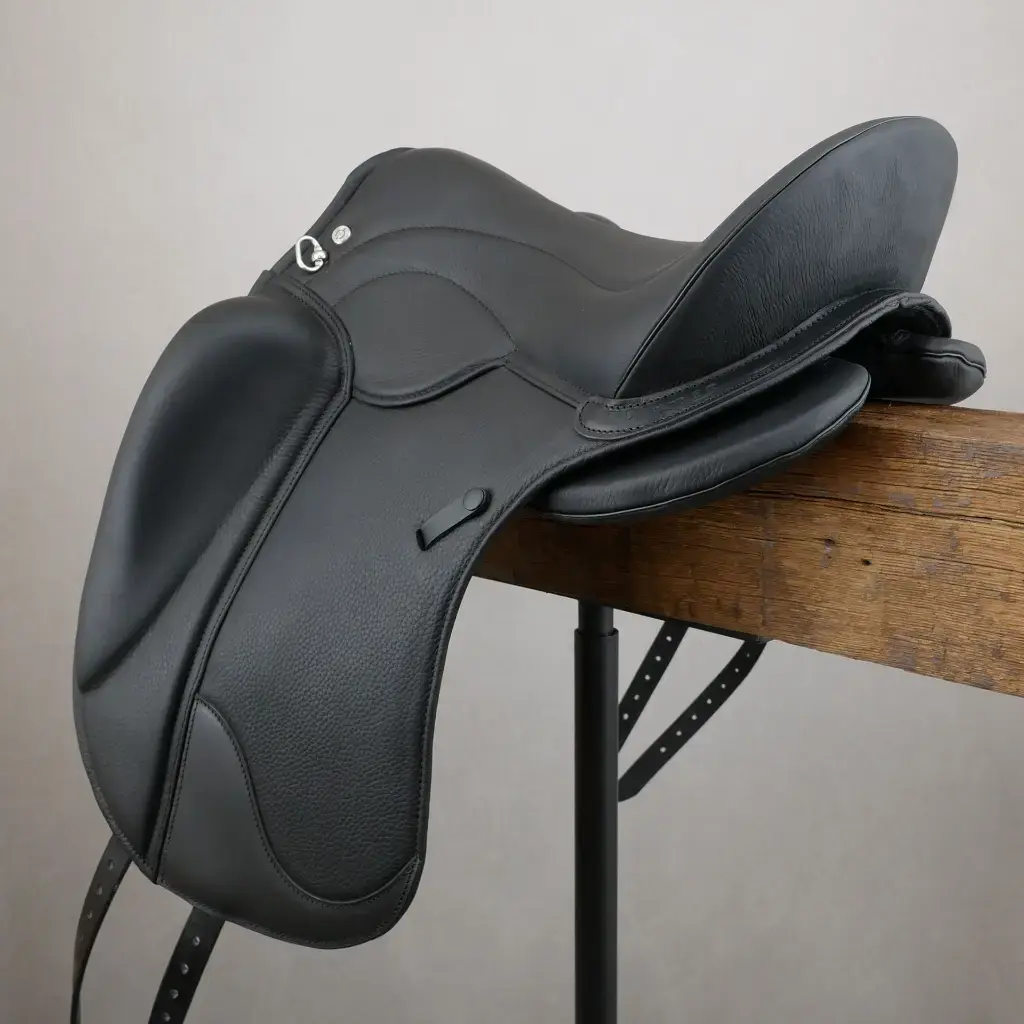
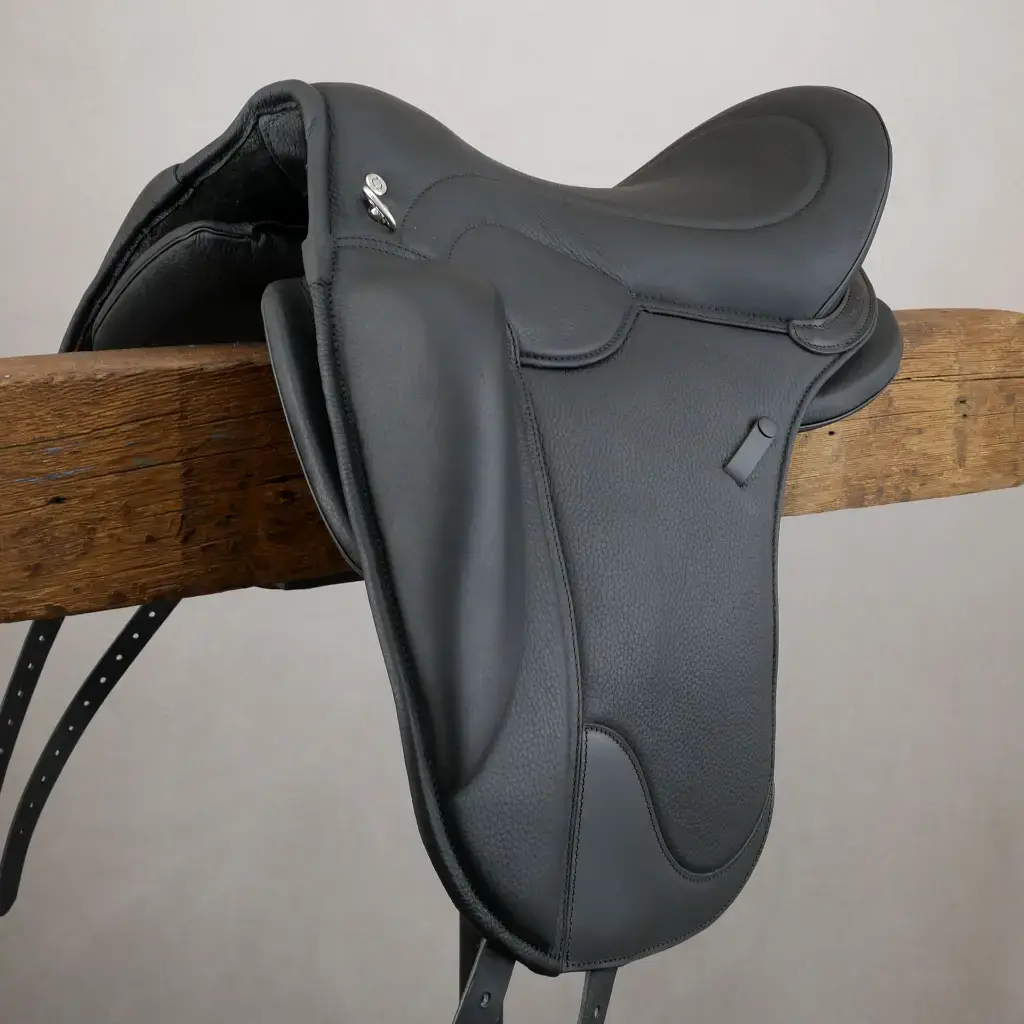
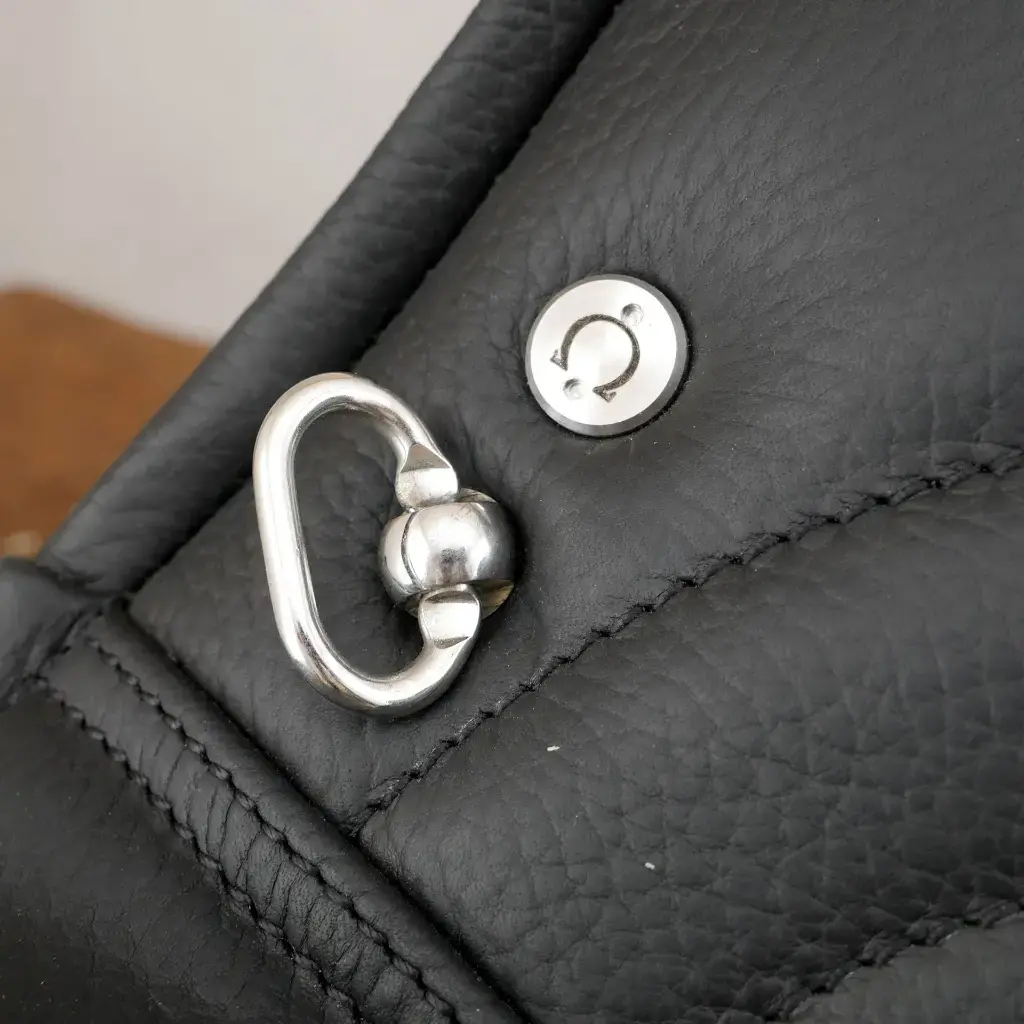
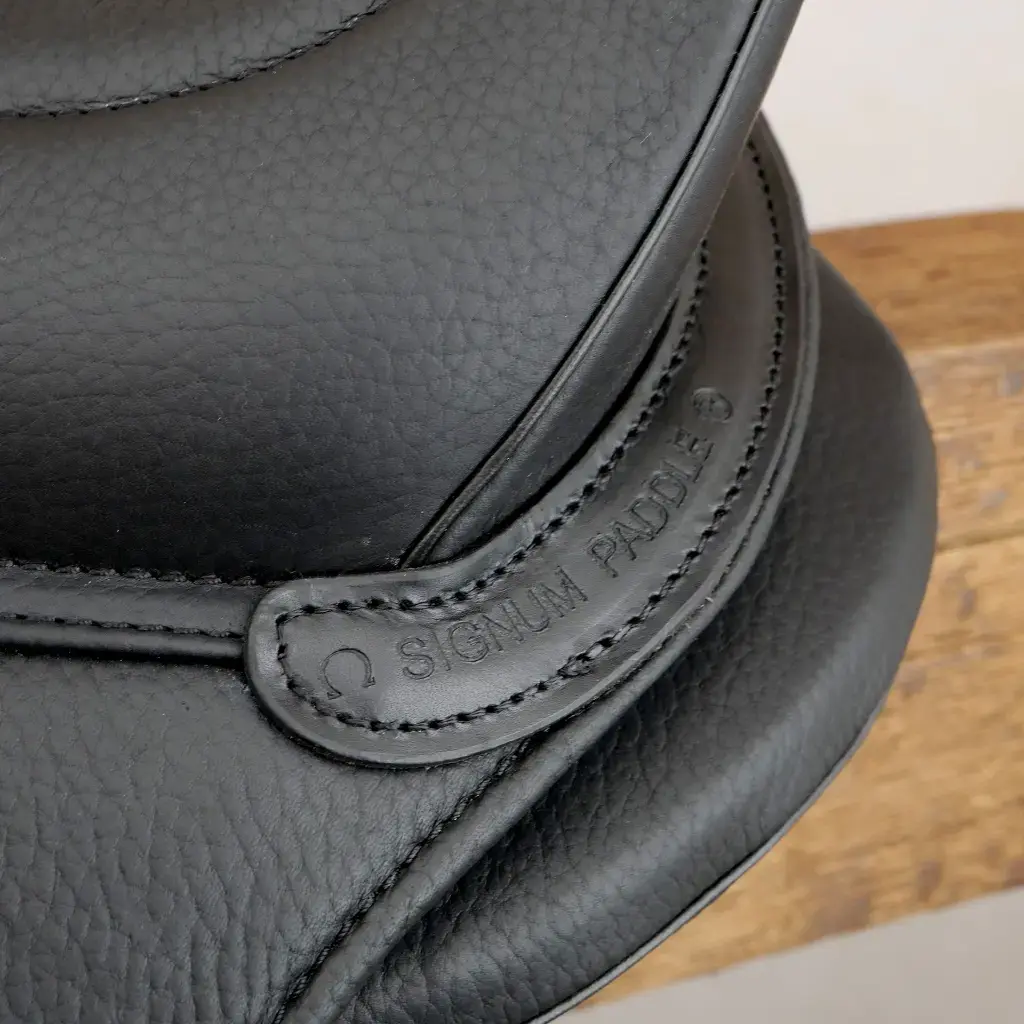
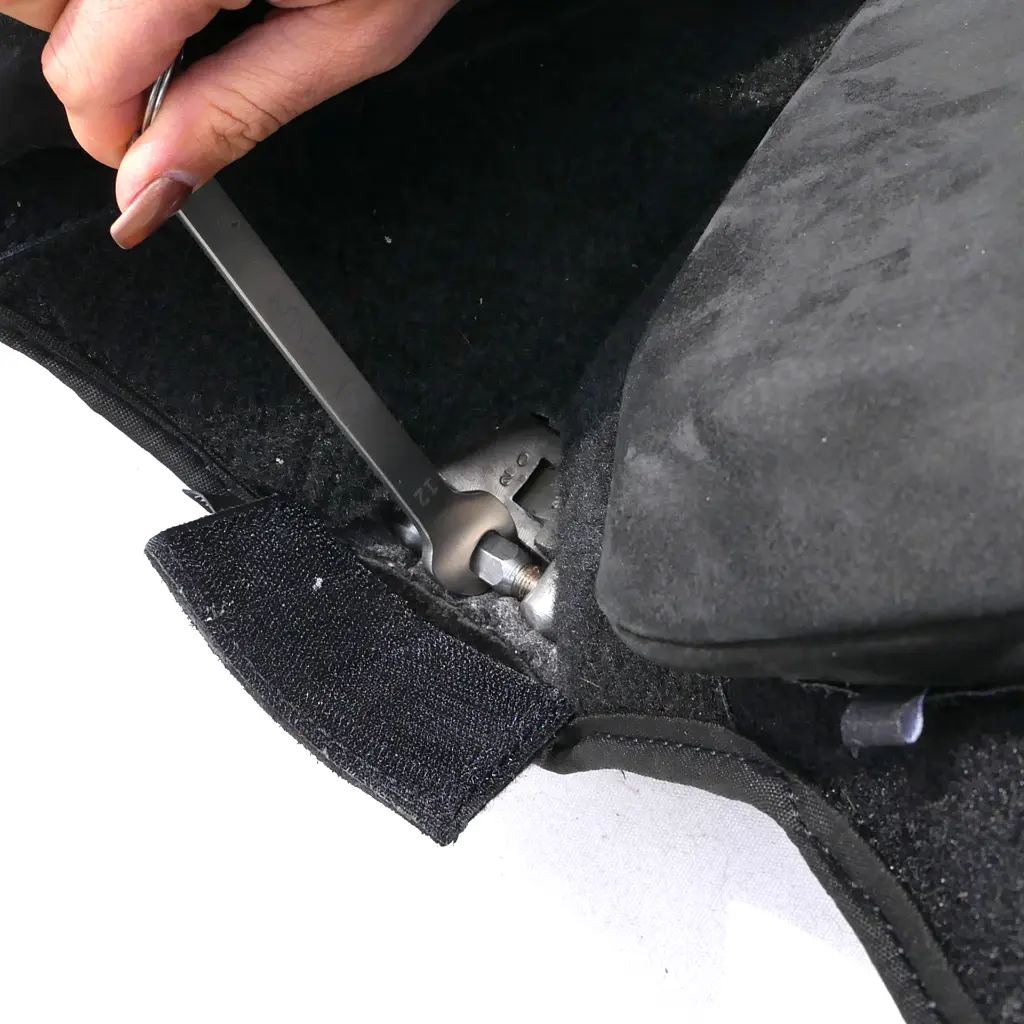
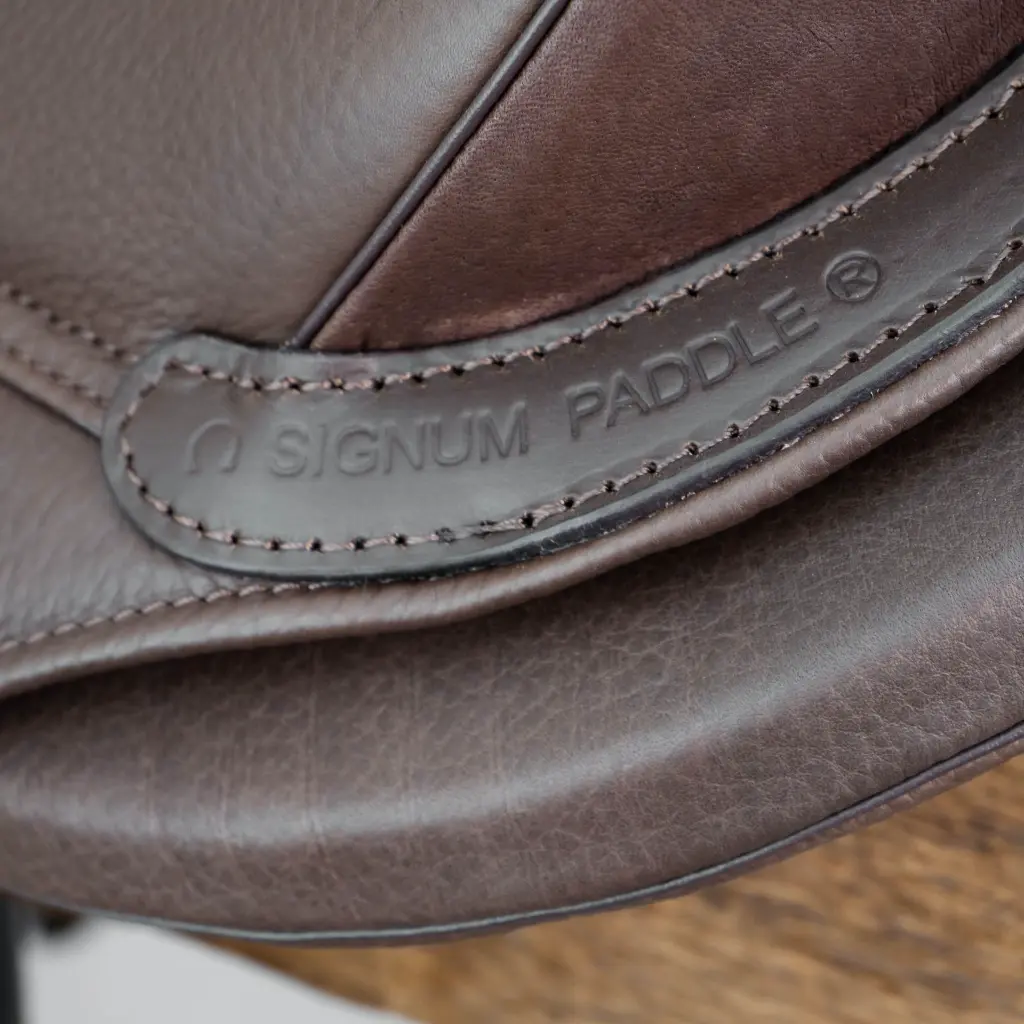
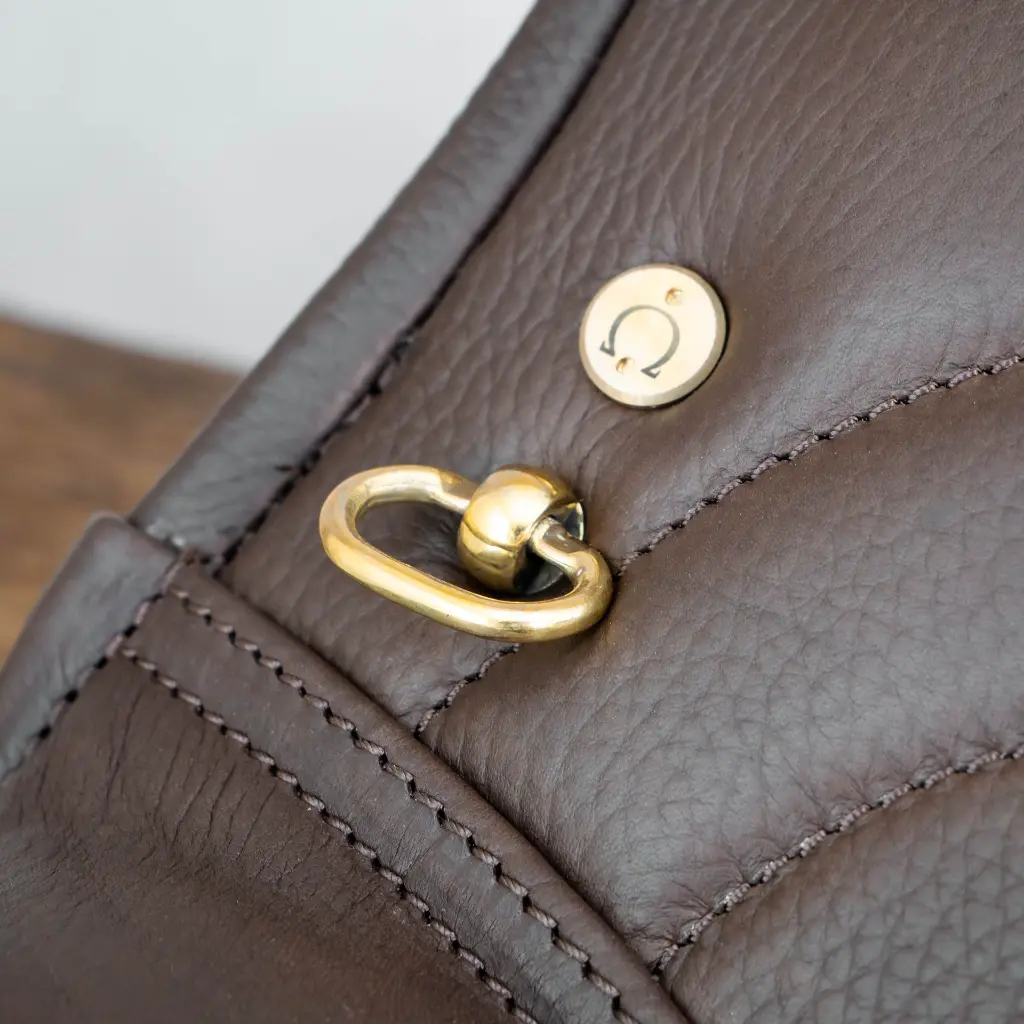
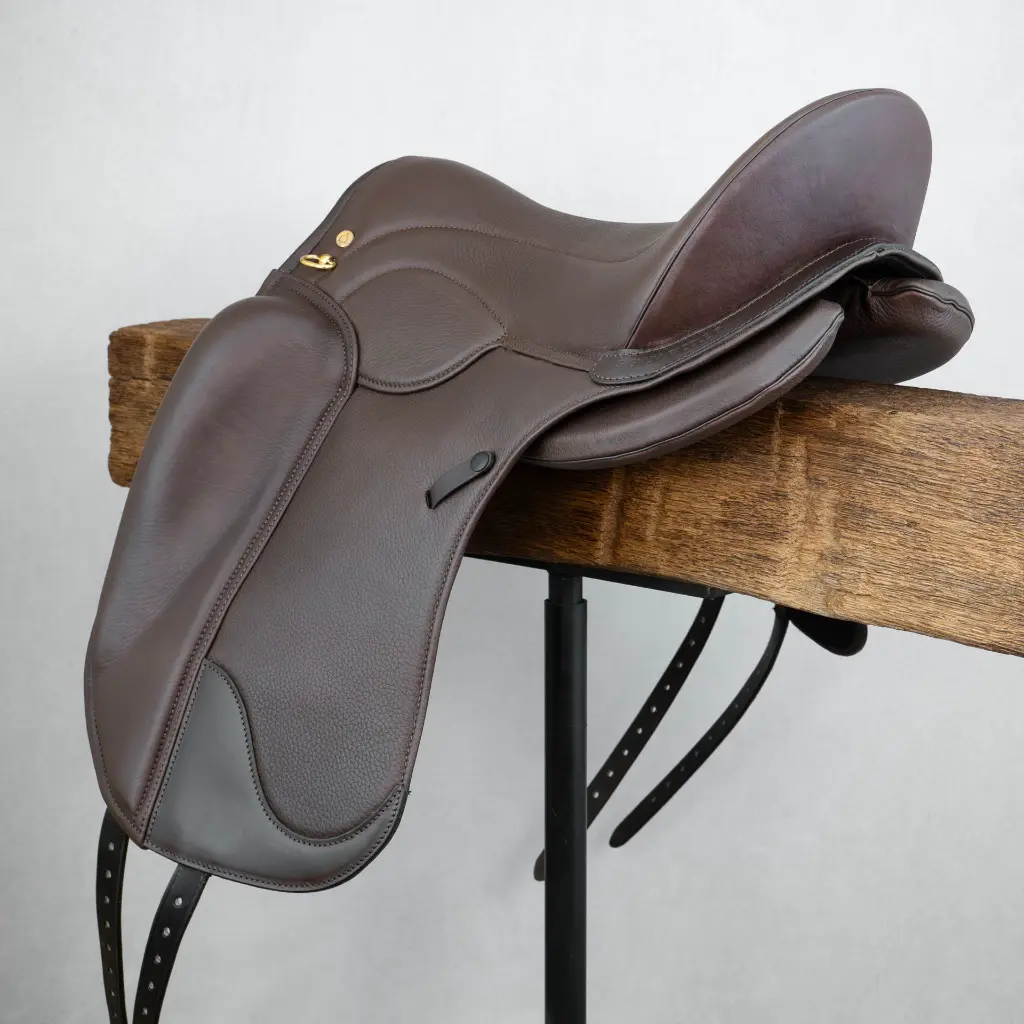
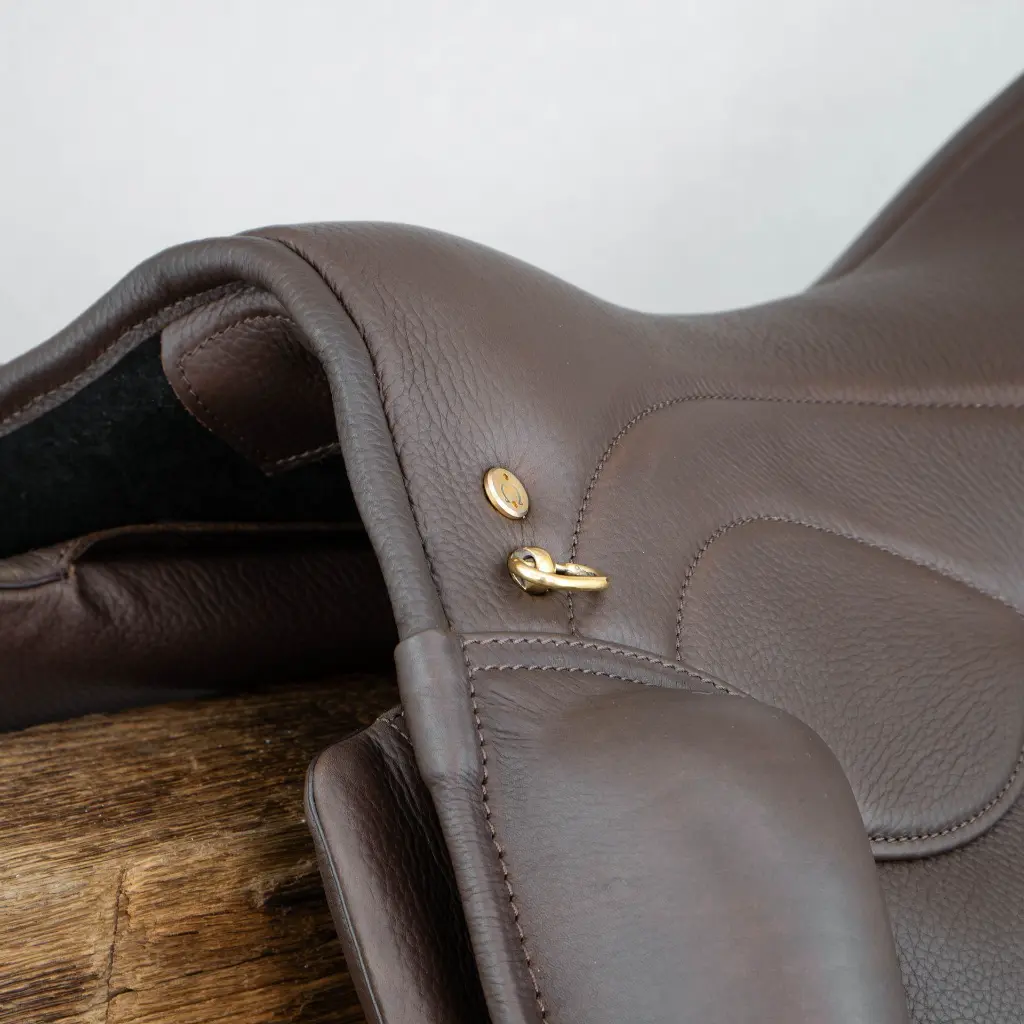
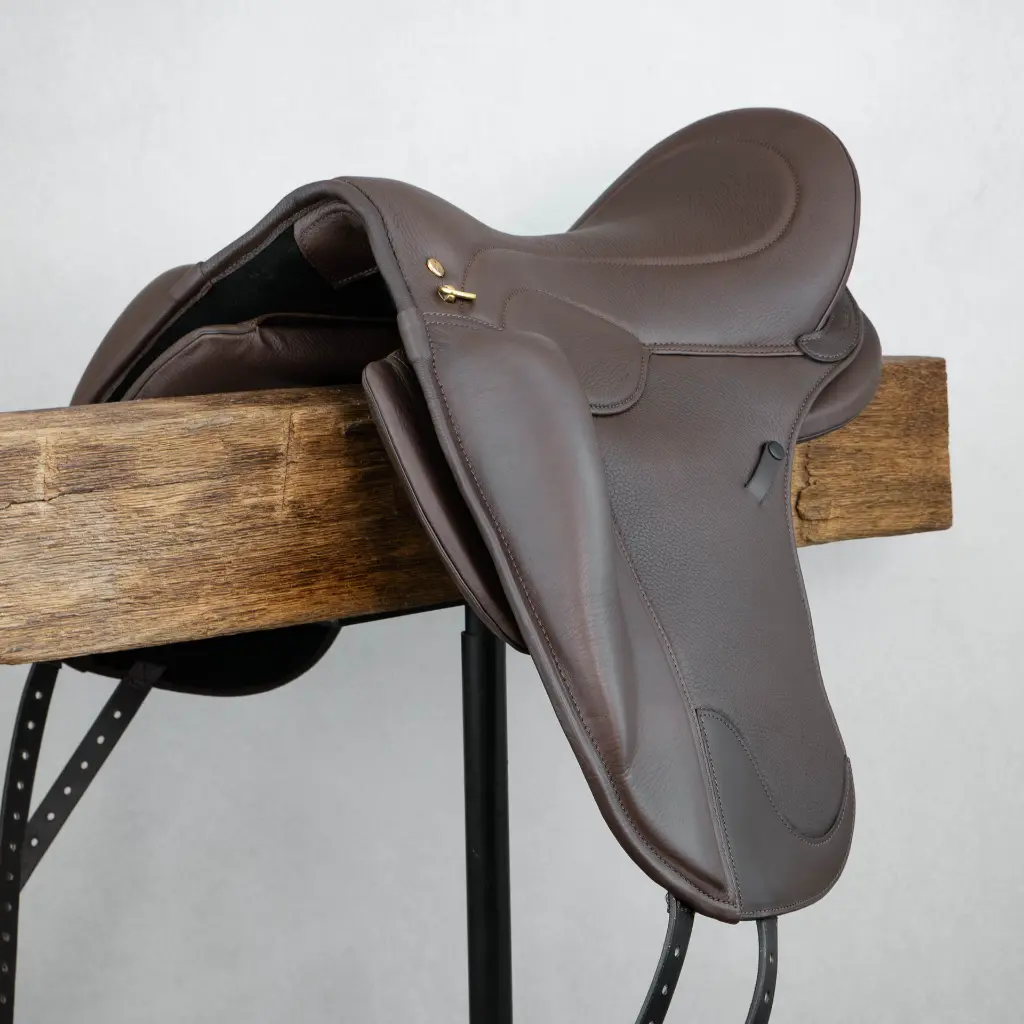
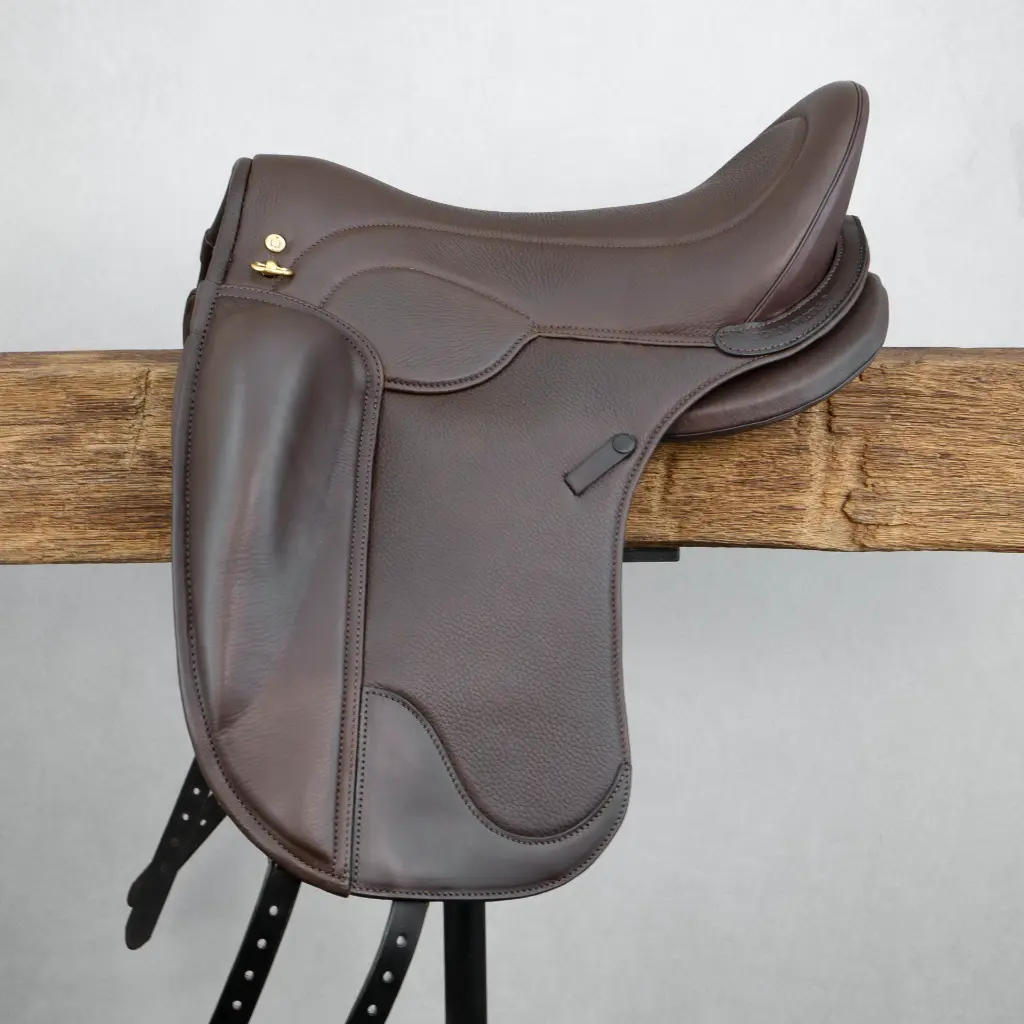
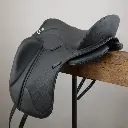
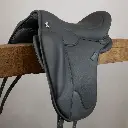
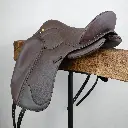
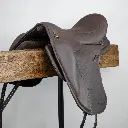
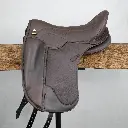





The rental of a riding pad or PADDLE® for an extended testing period is available for various models. Under the rental menu, you will find the products that can be conveniently tested at home for a longer period. The rental fees can be credited towards the purchase with an amount of up to €350. More detailed information and the terms and conditions can be found in the respective rental product.
Of course, when purchasing through our online shop, you have the right to withdraw within 14 days. This means you may carefully test the riding pad or PADDLE® on your horse. We ask that you protect the item from horse hair or dirt during the fitting. If you are unable to return the product we sent you in whole or in part, or only in a deteriorated condition, you may be required to provide compensation for the value. This does not apply if the deterioration of the item is solely due to its examination, as you would have been able to do in a retail store. Furthermore, you can avoid the obligation to compensate for value by not using the items as if they were your own and by refraining from anything that would impair their value.
Note: When purchasing a custom paddle, it is a product specifically made according to customer specifications. As a result, the statutory 14-day right of withdrawal for contracts concluded online is void. This applies even if the ordered product has not yet been produced. The product will be sent to you by mail after completion and does not include on-site adjustment service. We recommend using our paddle fitting system in combination with our video instructions for easy adjustment directly on the horse.
For the best possible pressure distribution on the horse's back, we recommend combining our riding pads with our Velcro cushions and a saddle pad. With our PADDLE®, use is exclusively intended with the included Velcro cushions.
In this magazine article, we have put together a step-by-step guide for positioning the Velcro pads under a riding pad for you.
Here you will find a video tutorial on adjusting the PADDLE® including the correct positioning of the Velcro cushions. This can be done on the riding pad using the same principle.
When adjusting the PADDLE®, the Velcro pads and especially the headpiece should be correctly fitted to the horse.
As assistance, we have created a step-by-step guide for you. Here is the magazine article "Adjusting the PADDLE® with the Help of the Fitting System," which will help you make the adjustments on-site with just a few simple steps.
For an even easier adjustment of your paddle, we have created video instructions for you. In these, we show you the individual steps for adjusting the PADDLE® with the fitting system directly on the horse.
Our PADDLE® can be easily adjusted with just a few hand movements to fit a variety of horse types. The headpiece built into the PADDLE® can be positioned almost horizontally at its widest setting. The Velcro cushions are also adjustable in any position, so there is nothing preventing adaptation for particularly wide horses.
For an even easier adjustment of your PADDLE®, we have created video instructions for you. In these, we show you the individual steps for adjusting the PADDLE® with the fitting system directly on the horse. What you need to consider when adjusting the PADDLE® for particularly wide, narrow, or short horses has been compiled in another video "Adjusting the PADDLE® for wide, narrow, or short horses."
Our PADDLE® can be easily adjusted with just a few hand movements to fit a variety of horse types. The head iron built into the PADDLE® can be set as narrow as any horse's body would require. The Velcro pads are also positionable in any way, so there is nothing preventing adjustments for narrow horses or horses with a high withers.
If the spinal freedom provided by the included Velcro cushions over the withers does not create sufficient wither freedom, we recommend additional padding with a sheepskin saddle pad or a sheepskin saddle pad with additional insert options.
For an even easier adjustment of your PADDLE®, we have created video instructions for you. In these, we show you the individual steps for "adjusting the PADDLE® with the fitting system" directly on the horse. What you need to consider when adjusting the PADDLE® for particularly wide, narrow, or short horses has been compiled in another video titled "Adjustment of the PADDLE® for wide, narrow, or short horses."
Suede
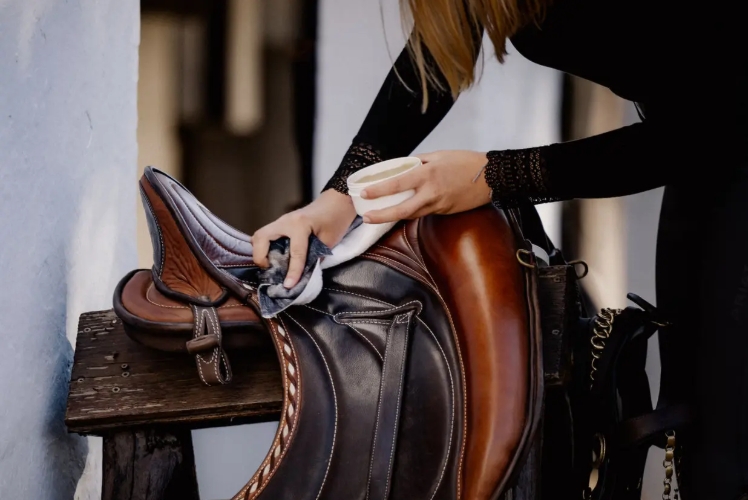
Suede is a unique and versatile material that changes over time with use and develops a characteristic patina. Here are some important points to consider when caring for and using suede:
Change of optics:
Patina:
- With regular use, suede develops a natural patina. This age-related change gives the material an individual and authentic look. The patina can make the leather softer and more supple, giving it a shiny, smooth, or matte surface. Color changes and signs of wear may occur, making the leather unique and individual.
Sensitivity to water and dirt:
Staining:
- Suede is susceptible to water and oil stains. To prevent stains, you should avoid contact with liquids and greasy substances as much as possible.
Rain and humidity:
- When wet, suede can change its structure and become stiff. If it gets wet, let the material dry slowly in the air and avoid direct heat sources.
Care Instructions:
Cleaning:
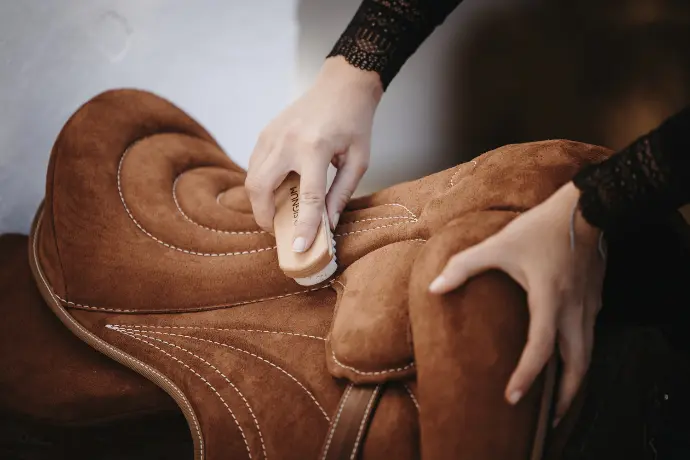
- Use a special suede brush to gently remove dirt and dust or to revive the leather. For more stubborn stains, a specialized suede cleaner is recommended.
Storage:
- Store suede products in a dry, well-ventilated place to prevent mold growth. Avoid direct sunlight to prevent fading.
Wear of suede:
- By properly caring for and consciously handling suede, you can preserve the longevity and beauty of the material and enjoy your suede product for a long time. The development of a patina is a natural process that gives your suede a special depth and character, making it even more unique over time. These changes are not defects in quality, but rather the natural characteristics of the natural product suede.
Faux leather / vegan leather
Faux leather is a unique and versatile material that changes slightly over time with use. Here are some important points to consider when caring for and using vegan faux leather:
Sensitivity compared to suede:
- The material is easier to care for than the natural product leather and does not need to be oiled. However, wear marks can also occur on synthetic leather, which can be counteracted with the right care.
Care Instructions:
Cleaning:
- Cleaner: We recommend the EquiXtreme saddle pad cleaner for cleaning the vegan leather imitation and SIGNUM leather care cloth
- Post-treatment: Work the entire surface with the lamella part of our suede brushes to evenly roughen the cleaned structure
Storage:
- Store in a dry, warm place with low humidity. Especially if the synthetic leather has become wet, it should be allowed to dry slowly and thoroughly to prevent mold formation.
The size of our riding pads & PADDLE® is based on the rider's clothing size. The seat profile allows the rider to have a relaxed and centrally positioned seat when the size is appropriate.
- The size S is recommended for clothing sizes between 34-36
- The size M is recommended for a clothing size of 38-40
- The size L is recommended for a dress size of 42-46
If the seat area is too small, the rider (especially with the rising seat profile of the Dressage riding pad and the PADDLE®) would not only sit uncomfortably but also exert unnecessary pressure on the rising seat profile and cantle, thereby unnecessarily increasing the pressure in the rear area of the horse's back.
The recommended Velcro cushions for the riding pad and the Velcro cushions included with the PADDLE® are designed in terms of size, length, and shape to provide an optimal and even pressure distribution on the horse's back for the seat size. The Velcro cushions are intentionally made slightly longer than the actual seating area of the riding pad or PADDLE® to ensure a gentle pressure distribution without pressure peaks, especially in the edge areas and at the rear end of the padding.
The pressure on the horse's back is primarily transmitted to the horse in the seat area. Since our riding pads and the PADDLE® do not have a fixed saddle tree that stabilizes the Velcro cushions in the rear area all the way to the end, the effect of the Velcro cushions in the rear area can be compared to the effect of a padded saddle blanket. With the size of the Velcro cushions we recommend, unpleasant pressure peaks in the sensitive lumbar region of the horse's back are avoided even on particularly short horses. However, if too short Velcro cushions are used, the well-intentioned and desired effect of relieving the horse's back in the rear area can be reversed - if the cushions are shorter than the seat itself, the leverage of the rider's weight on the cantle of the riding pad/PADDLE® transmits pressure much more pointwise to the end of the Velcro cushion, unnecessarily overloading the horse's back.